


MOST VISITED LINKS
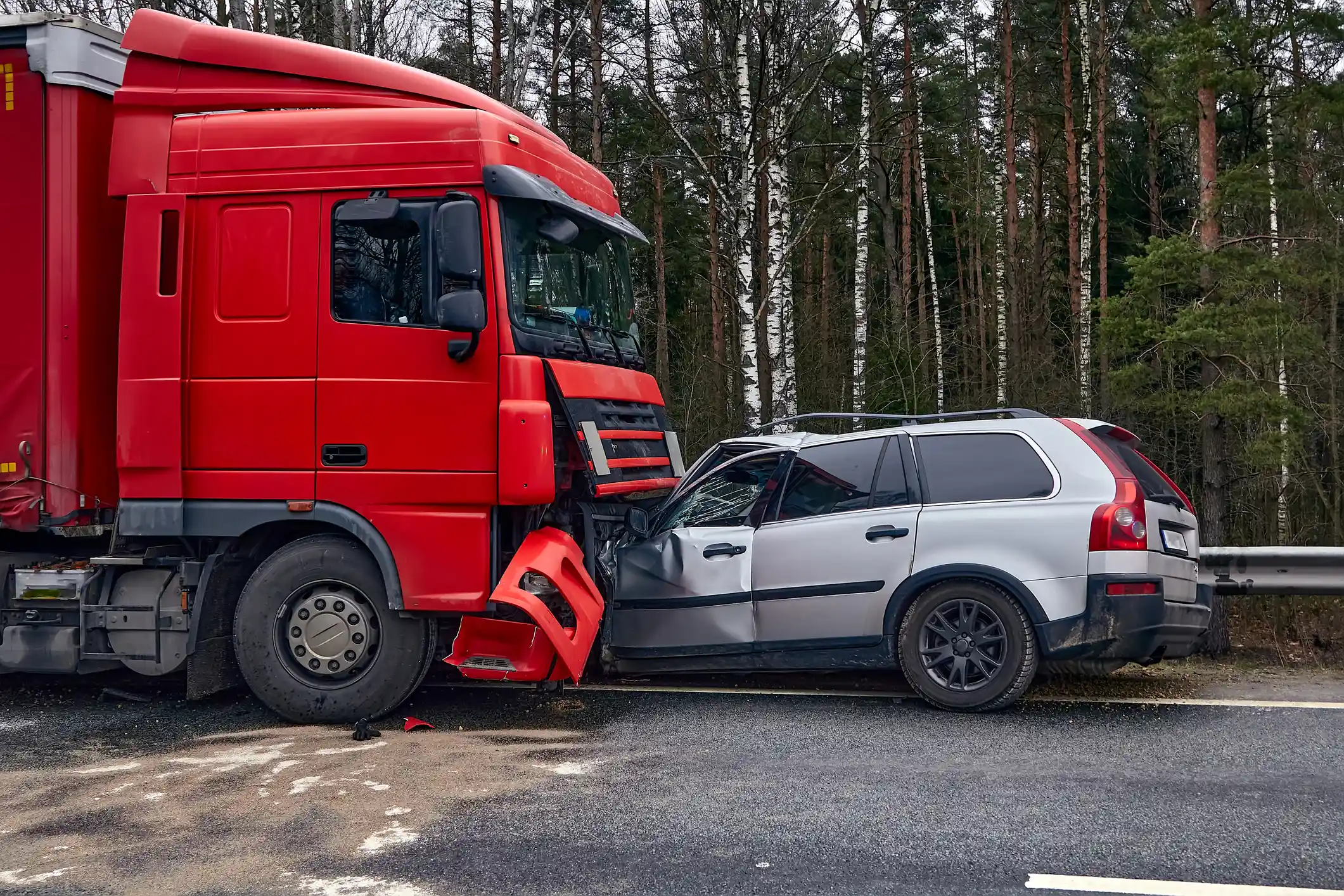

Recently, the Federal Motor Carrier Safety Administration (FMCSA) announced that it’s once again delaying several key trucking safety rules. These rules were designed to prevent accidents and save lives, but now many have been significantly delayed or even cancelled altogether. For people who’ve been hurt in crashes involving large trucks or for families who’ve lost loved ones, these delays are frustrating and, frankly, dangerous.
One of the first troubling delays for people who care about truck safety is the delay in side underride guard regulations. These are safety barriers that could be required on trailers to prevent cars from sliding underneath during a crash, a type of accident that is often fatal. Side underride crashes are especially deadly for people in passenger vehicles, and advocates have long pushed for side guards as a simple, life-saving measure.
But trucking companies and trailer manufacturers have pushed back, arguing the guards are too expensive and not proven to be effective, despite data and real-world examples showing otherwise. For now, those voices appear to be winning. The National Highway Traffic Safety Administration (NHTSA) had been reviewing public feedback since last year, but that process has now been extended until at least January 2026. In the meantime, there is still no rule requiring these life-saving guard rails to be implemented, and millions of Americans driving everyday will continue to be put at risk.
Another rule that could have saved lives and prevented injuries was a regulation to require automatic emergency braking (AEB) for large trucks. AEB systems can detect obstacles and apply the breaks automatically, helping to prevent potentially catastrophic rear-end collisions. A rule requiring these braking systems was supposed to be issued in January of this year, but it has now been pulled for revisions. The rule should be brought forth again in December as an entirely new proposal that will have to go through the approval process all over again, with the potential of not being approved at all. In the meantime, preventable rear-end collisions will continue to occur.
Perhaps most troubling of all, the federal government has officially dropped a proposed speed limiter rule for big trucks. This rule would have required heavy trucks to be equipped with technology that puts a cap on their top speed. Speeding continues to be one of the leading causes of truck crashes and tends to make those crashes more catastrophic when they do occur. For victims and their families, cancelling this rule is not just disappointing, it’s unacceptably dangerous.
These were the three biggest safety regulations that have been affected, but several other notable safety and training rules have also been delayed, including revisions to how trucking companies are evaluated for safety, stricter training standards for new commercial drivers, updates rules for drug and alcohol testing, rules for the use of self-driving trucks, and changes to how the government determines whether a trucking company is fit to operate. Each of these rules is meant to improve safety, accountability, or oversight in an industry that transports over 70% of the nation’s freight, and yet these steps are now on hold for at least another year, or potentially even longer.
For our clients, the people injured or killed by unsafe trucks and irresponsible companies, these delays are more than just bureaucratic rescheduling. They represent missed opportunities to prevent crashes, save lives, and hold dangerous actors accountable before tragedy strikes. At our firm, we see the real-life consequences when safety is ignored. We’ve stood with families devastated by underride crashes, exhausted or untrained drivers, and trucking companies that cut corners on safety—and we’ve seen the harm it causes. These aren’t just policy debates, they’re matters of life and death.
We will continue to hold the trucking industry accountable in court, even when regulators fail to act. And we will continue to advocate for stronger safety measures that protect drivers, passengers, and families across the country.
If you or someone you love has been hurt in a crash involving a commercial truck, don’t wait for the government to catch up. Contact Ponce Law today—we’re here to help you get the answers, justice, and support you deserve.

When you’re injured through no fault of your own, you deserve compensation for the injury-related costs you face. Our Nashville personal injury lawyer is here to handle your injury claim so you can focus on your recovery.
At Ponce Law, our dedicated attorneys have been helping injured victims in the community since 1994, and we have the experience and knowledge to build a strong claim on your behalf. Contact our legal staff to get the help you need today just call (615) 908-3702 or fill out a free initial consultation form.