MOST VISITED LINKS
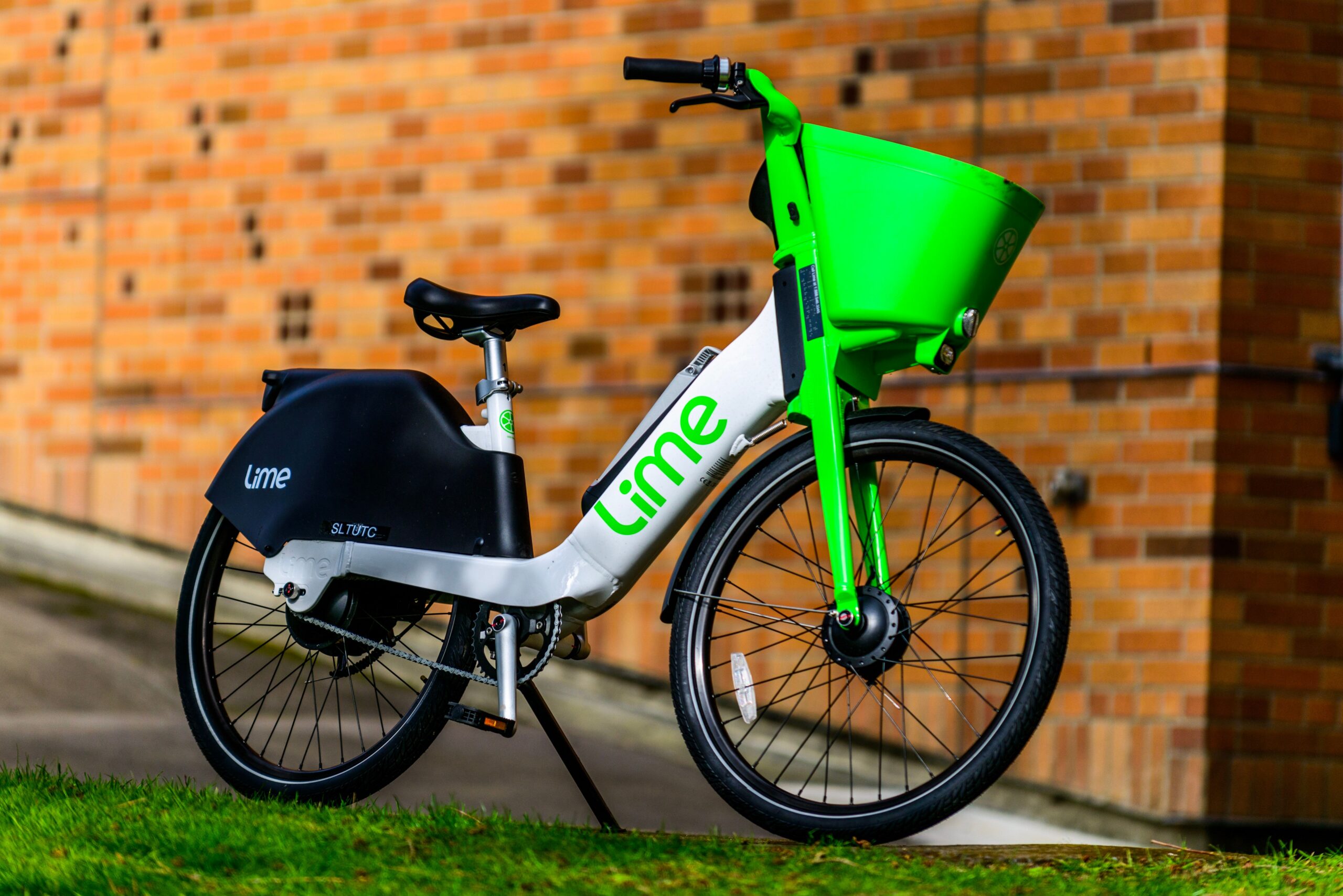

E-bikes and electric scooters are now a familiar sight in neighborhoods across Tennessee. For many teenagers, they are an easy way to get to school, practice, a friend’s house, or a nearby store. Their popularity, however, has brought a sharp increase in injuries involving younger riders.
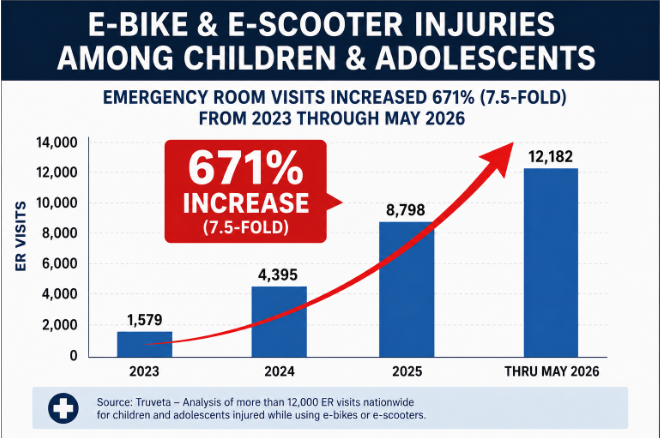
Truveta, a health data and analytics company, recently analyzed more than 12,000 emergency department visits involving e-bikes and e-scooters nationwide. According to the company’s research, emergency visits involving children and adolescents rose 671% from 2023 through May 2026. Head and neck injuries were among the injuries seen most often.
For parents in Tennessee, the numbers are worth paying attention to for another reason: the law does not treat every battery-powered bike or scooter the same way. The rules depend on the type of device, its speed and power, the rider’s age, and sometimes the city or county where it is being used.
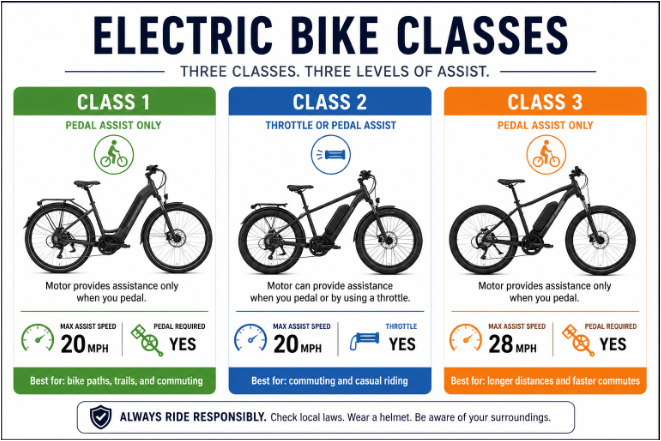
Tennessee law divides electric bicycles into three classes. A qualifying e-bike must have operable pedals and an electric motor of less than 750 watts. A Class 1 bike provides pedal assistance up to 20 mph. A Class 2 bike can propel itself without pedaling, but the motor assistance cuts off at 20 mph. A Class 3 bike provides pedal assistance up to 28 mph.
That definition is more important than it may sound. Some high-powered devices sold and advertised as “e-bikes” can travel well beyond those limits. Depending on their design and performance, those machines may fall outside Tennessee’s e-bike statutes and be subject to a different set of rules.
A qualifying e-bike is not treated as a motor vehicle under Tennessee law. In general, that means a rider does not need a driver’s license, vehicle registration, title, or motor-vehicle insurance simply to operate one. Most of the traffic rules that apply to bicycles also apply to e-bikes.
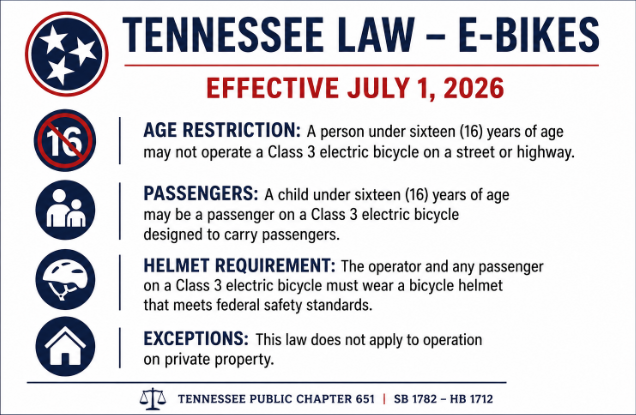
Tennessee tightened its rules for faster e-bikes in 2026. Effective July 1, 2026, anyone under age 16 is prohibited from operating a Class 3 e-bike on a street or highway. A child younger than 16 may still ride as a passenger if the Class 3 bike is designed to carry passengers. Every operator and passenger on a Class 3 e-bike must wear an approved bicycle helmet, regardless of age.
There is also a separate helmet requirement under Tennessee’s Child Bicycle Safety Act. Children under 16 must wear a properly fitted and fastened helmet when riding a bicycle, or riding as a passenger, on a highway, street, or sidewalk. Because qualifying e-bikes generally fall under the state’s bicycle rules, parents of younger riders should assume a helmet is part of the basic legal and safety equipment.
Where an e-bike may be ridden depends on its class and on the rules in the particular area.
Class 1 and Class 2 e-bikes generally may be used in places where bicycles are allowed, including streets, bicycle lanes, and shoulders. State agencies and local governments have authority to regulate or prohibit their use in certain locations. Class 3 e-bikes are more restricted on bicycle paths and trails unless an exception applies or the responsible state or local authority permits them.
Sidewalk riding is another area where riders need to be careful. E-bikes generally may not be operated on sidewalks unless bicycle use has been authorized there locally, and even then the electric motor must be turned off.
In other words, a family should not assume that a device that is legal to own is legal to ride everywhere. Local ordinances and posted rules can matter just as much as the statewide statute.
Tennessee has a separate definition for electric scooters. Generally, the term covers a device weighing less than 100 pounds, equipped with handlebars and an electric motor, with a maximum motor-powered speed of no more than 20 mph on a paved, level surface. A scooter that fits that definition is excluded from the state’s definition of a motor vehicle.
That exclusion means qualifying electric scooters are not subject to ordinary motor-vehicle titling and registration requirements. But local governments have broad authority to regulate, control, or prohibit their use. A rule that applies in Nashville, for example, may not be identical to a rule in another Tennessee community. Families should check the local rules where the scooter will actually be ridden.
Whatever the minimum legal requirement, a properly fitted helmet is a sensible precaution for any young person riding an e-bike or e-scooter. The increase in emergency visits—and the frequency of head and neck injuries—shows how quickly a routine ride can become a serious medical event.
The phrase “e-bike” covers a surprisingly wide range of products. Some are essentially ordinary bicycles with modest pedal assistance. Others are heavier, quicker, and capable of speeds that would have been unusual for a child’s bicycle only a few years ago.
Speed changes the consequences of a crash. A rider traveling 20 or 28 mph has much less time to react to a turning vehicle, an opening car door, loose gravel, a roadway defect, or a driver who simply does not see the bike. More powerful devices sold online may travel faster still—and may not qualify as legal e-bikes under Tennessee law in the first place.
Before a child begins riding, parents should check the device’s motor rating, maximum assisted speed, and classification. They should also know the rules for the roads, paths, and neighborhoods where the child is likely to use it.
A helmet and careful riding reduce risk, but they cannot prevent every collision. Children riding e-bikes and scooters can be seriously injured by drivers who fail to yield, drive distracted, speed, open a vehicle door into a rider’s path, or otherwise fail to use reasonable care.
Ponce Law represents minors and their families when a child has been injured because of someone else’s negligence. Depending on how the crash occurred, an e-bike or e-scooter claim may involve a negligent driver, an unsafe roadway condition, a defective product, or another party whose conduct contributed to the injury.
When a child is seriously injured, the legal issues can extend well beyond the immediate medical bills. A careful investigation may be needed to preserve evidence, determine which rules applied to the device and rider, identify available insurance coverage, and evaluate the full effect of the injury on the child and family.
If your child has been hurt in an e-bike or e-scooter crash in Tennessee and you believe another person or company may be responsible, Ponce Law can help you understand the next steps and the legal options available to your family. Call now for a free consultation.