MOST VISITED LINKS
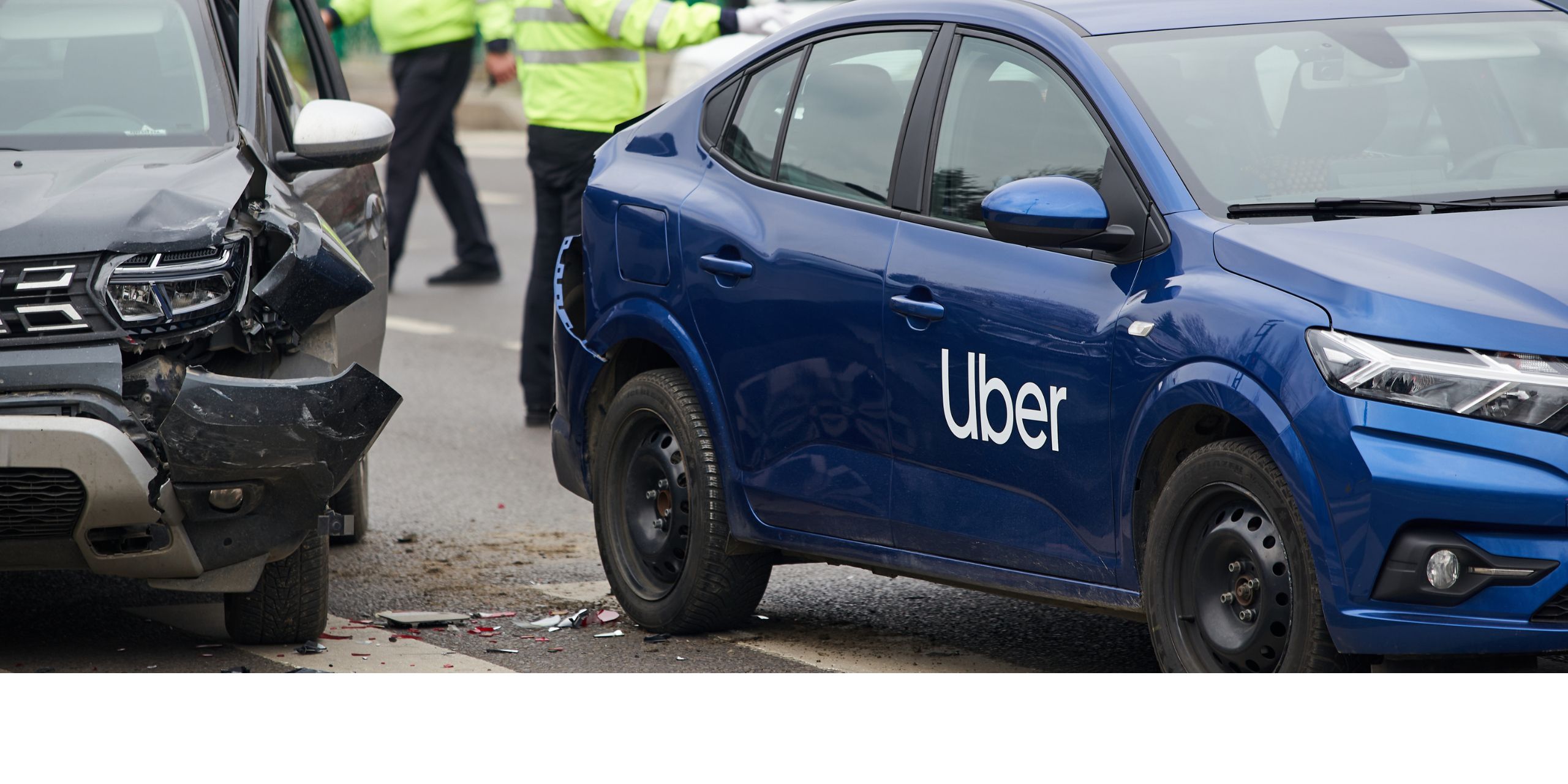

Many rideshare crashes are not isolated driver mistakes. They are the foreseeable result of how Uber and Lyft intentionally designed their platforms, dispatch systems, and incentive structures. Under Tennessee negligence law, a defendant may be held liable when harm is a foreseeable result of its conduct. See McIntyre v. Balentine, 833 S.W.2d 52, 54–55 (Tenn. 1992).
Unlike traditional taxi companies, Uber and Lyft require continuous, real-time interaction between drivers and smartphone applications while vehicles are in motion. Drivers must accept ride requests within seconds, monitor surge pricing, respond to rider messages, and follow constantly updating navigation instructions. Tennessee expressly prohibits holding or manually operating a wireless telecommunications device while driving, except in limited hands-free circumstances. Tenn. Code Ann. § 55-8-199.
Ride requests typically appear for only 10–15 seconds. Failure to accept quickly can reduce a driver’s acceptance rate and affect earnings. This time-pressure incentive foreseeably encourages drivers to look at and interact with their phones while driving. Conduct creating foreseeable risk may constitute a breach of duty under Tennessee law. McIntyre v. Balentine, 833 S.W.2d at 54.
Uber and Lyft’s passenger rating systems further exacerbate risk. Drivers face deactivation if ratings fall below company thresholds, creating pressure to rush pickups, respond immediately, and prioritize speed over safety. Tennessee recognizes liability for negligent supervision where policies encourage unsafe conduct. See Woodson v. Porter Brown Limestone Co., 916 S.W.2d 896, 902–03 (Tenn. 1996).
Real-time surge pricing and bonus zones reward speed and rapid maneuvering. Drivers may speed, make abrupt lane changes, or make unsafe turns to reach higher-paying areas. Tennessee recognizes negligent entrustment where foreseeable misuse creates danger. See Nichols v. Atnip, 844 S.W.2d 655, 661 (Tenn. Ct. App. 1992).
Uber and Lyft’s integrated navigation systems increase cognitive load by combining routing, alerts, and messaging. Human-factors research shows this divided attention causes inattention blindness and delayed reaction times. Tennessee’s Hands-Free Law reflects legislative recognition of these risks. Tenn. Code Ann. § 55-8-199.
The gig-economy compensation model incentivizes long and irregular driving hours. Fatigue is a known crash risk factor. Tennessee courts permit direct negligence claims when companies fail to address foreseeable safety risks created by their policies. See Binns v. Trader Joe’s East, Inc., No. M2022-01033-SC-R11-CV (Tenn. Apr. 8, 2024).
Uber and Lyft possess extensive internal data on driver behavior, app interaction, and crash trends. This supports a finding that risks associated with their app design were known or should have been known. When a defendant consciously disregards known risks, Tennessee allows punitive damages. Tenn. Code Ann. § 29-39-104.
Safer alternative designs were readily available, including requiring vehicles to be stopped before accepting rides, using voice-only interfaces, and limiting in-motion notifications. The availability of safer alternatives is relevant in negligence and product-liability analysis.
In sum, Uber and Lyft crashes often reflect systemic design choices rather than momentary driver error. Tennessee law permits injured victims to show that corporate app design and incentives foreseeably encouraged unsafe driving, supporting claims for negligence, negligent supervision, and punitive damages.
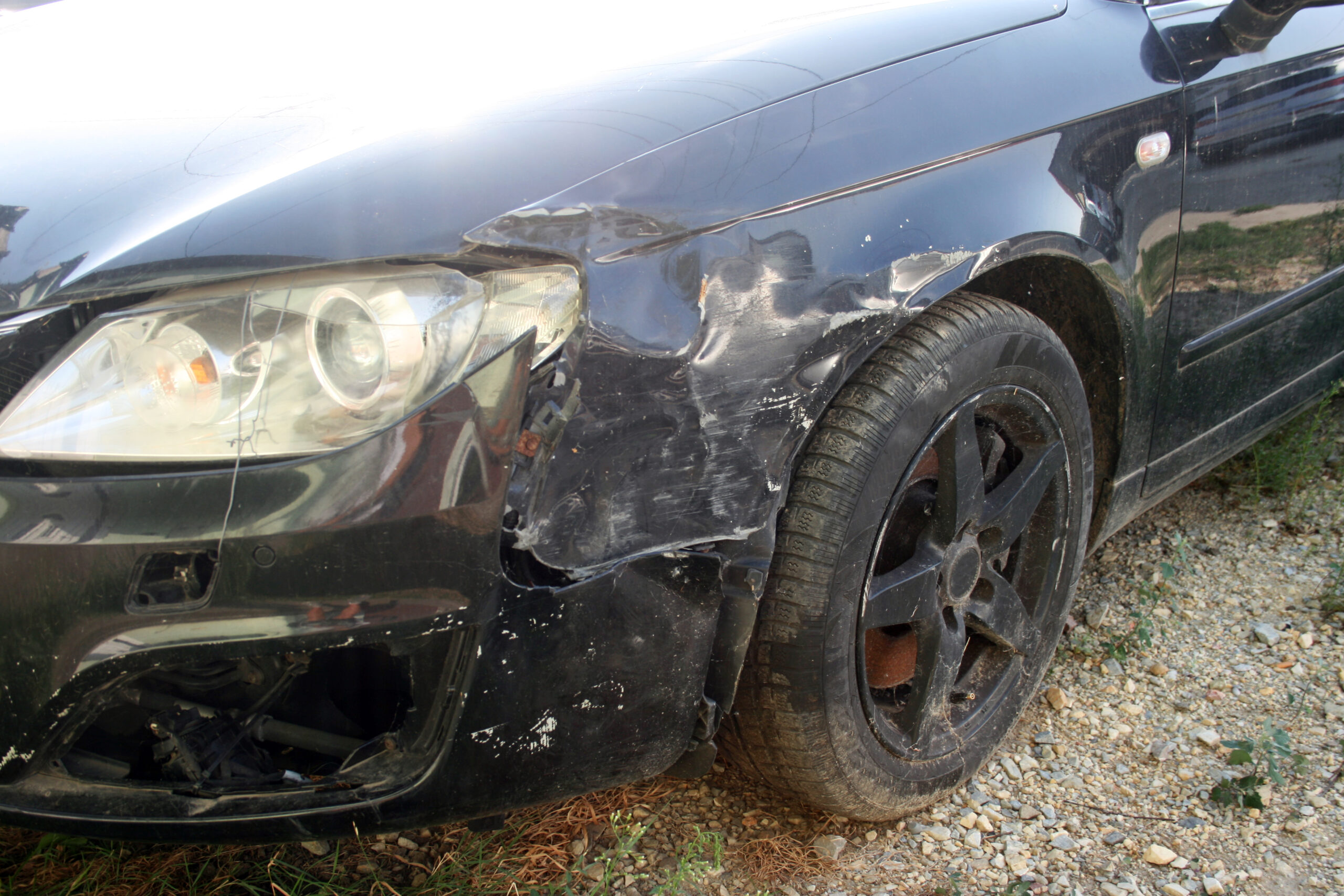


When you’re injured through no fault of your own, you deserve compensation for the injury-related costs you face. Our Nashville personal injury lawyer is here to handle your injury claim so you can focus on your recovery.
At Ponce Law, our dedicated attorneys have been helping injured victims in the community since 1994, and we have the experience and knowledge to build a strong claim on your behalf. Contact our legal staff to get the help you need today just call (615) 908-3702 or fill out a free initial consultation form.